
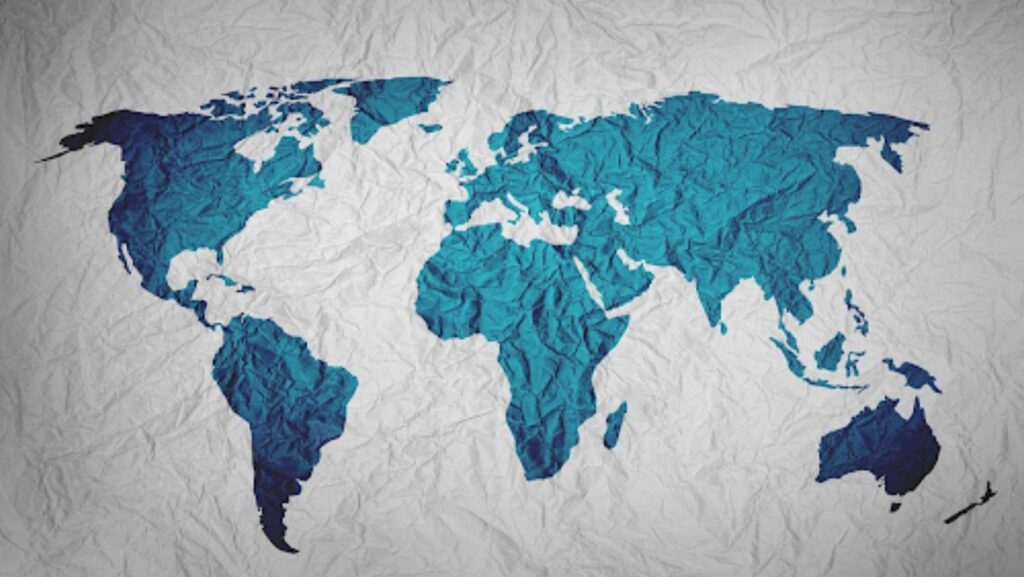
Gaming has turned into a global phenomenon over the last decade or so. From its humble beginnings in the corner of nerds’ bedrooms, this industry has turned into a multi-billion-dollar production that is appreciated and loved by millions around the world every single day. But this phenomenon does not look or feel the same everywhere across the globe. There are quirks depending on which continent you are in that are shaped by history, technology, and cultural norms that mould the fabric of gaming in different ways depending on where you are. This results in gaming reflecting different priorities and changing the landscape of gaming in different places. But how do gaming cultures differ across the world’s continents?
North American Competition
For North America, like most things here, gaming culture is tied to competition and individual achievement first, and entertainment second. Console and PC gaming titles dominate here, with the likes of Call of Duty and League of Legends dominating the landscape. These games are fast-paced, can be monetised through streams and tournament play, whilst offering huge multiplayer communities that pit people from across the continent against each other.
Nowadays, gaming streams dominate the landscape here with Twitch and YouTube drawing in millions of viewers seeking to engage with gaming content. Players will grow up here watching streamers, engaging in online content, and having a strong desire to follow in their role models’ footsteps.
For many in North America, gaming and gambling are closely tied. In Canada, iGaming has become huge alongside the rise in video gaming. The two have combined in recent years to create a large esports market on many betting platforms. However, traditional table games remain dominant here with the top options in Canada still offering huge markets from blackjack to poker, where players can utilise rapid transactions and secure platforms to place wagers whilst playing their favourite games online.
The European Landscape
Europe remains diverse in its style due to the sheer cultural differences across the continent. This makes it hard to pin down a general culture for the full continent, but there are some observations worth noting. After all, 53% of the European population plays video games.
For northern/central European countries such as Sweden, Germany and Poland, PC gaming is particularly notable. This sees players indulge in strategy games and simulation games, with MMORPGs having a particular grip here.
For the majority of Europe, it appears that players like to play games for both competition and creativity. Counter-Strike, FIFA and Minecraft are all fan favourites. Local studios on the continent have also had huge impacts, with the Witcher studios in Poland and GTA studios in Scotland having particular impacts more locally. These games showcase a general trend of European game developers who indulge in complex mechanics and deep narratives.
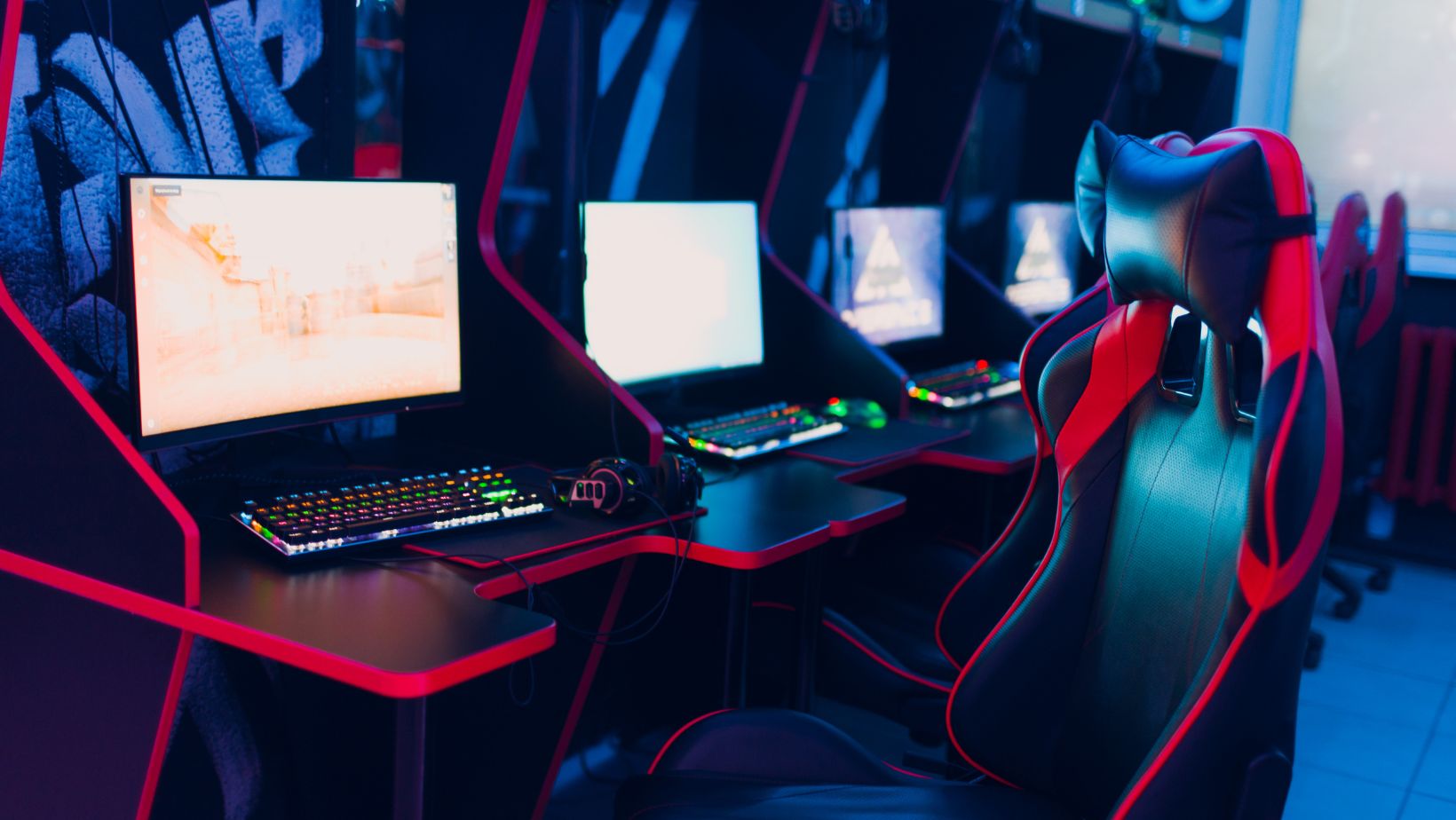
For European gamers, the focus is less on celebrities and influencers, rather long-term engagement and indulgence in stories.
Asia: A Split Between East and South
Eastern Asia has one of the most influential impacts on gaming across the world. South Korea treats esports like a traditional sport with full squads and managerial opportunities. Whilst Japan and China offer gaming cafes, which remain popular and are continually developing huge blockbuster games for others around the world. These countries have managed to make gaming accessible and turned this hobby into a shared public activity rather than a solely private endeavour.
Japan itself stands out amongst the rest in its influence on gaming. Strongly focusing on console games, Japan has conquered its very own section of the market through the development of games such as Resident Evil, Final Fantasy, Pokémon and Zelda, which power a $22 billion games market in the country. Players here focus on mastery and dedication over many hours of play. Respect for skill is admired even in single-player games.
In South Asia, the landscape of gaming is dominated by mobile games. Pakistan and India have seen a huge shift in gaming culture recently, with dominant titles being helped by more widespread smartphone access. PUBG Mobile, Free Fire and Call of Duty Mobile are all favoured titles here as they can be played socially but only need access to a phone to play rather than a full gaming set-up.
Accessibility In Africa Vs The Passion Of Latin America
For Africa, gaming is defined by accessibility. Mobile games play a huge role in this as they offer great titles with little expense and easy access through smartphones. Gaming in Africa is often a shared experience in gaming lounges or community halls, which showcases the social aspect that dominates here. For many developers in the industry here, there is an increasing desire to reflect African cultures and stories by focusing on representation in games and creation of newer titles using stories which have not been told to the rest of the world.
Like most things in Latin America, gaming is electric and energetic. Console gaming remains the most dominant here, with bigger games such as FIFA and Valorant popular. Friends here will gather and play together or watch tournaments side by side.
Final Thoughts
Gaming cultures vary across the globe and reflect local accessibility as well as realities. Values, technology, and traditions differ in the general themes across every continent. Despite these differences, gaming continues to connect people across the globe, displaying that the joy of playing is shared.
More Stories
POE 2 Builds to Start the New Season With — Ranked for Budget Players
The Cognitive Edge Behind Zeeverse’s Play to Own Model
Why The Mobile Version Of Online Casinos Became The Main Engine Of Audience Growth In 2026