
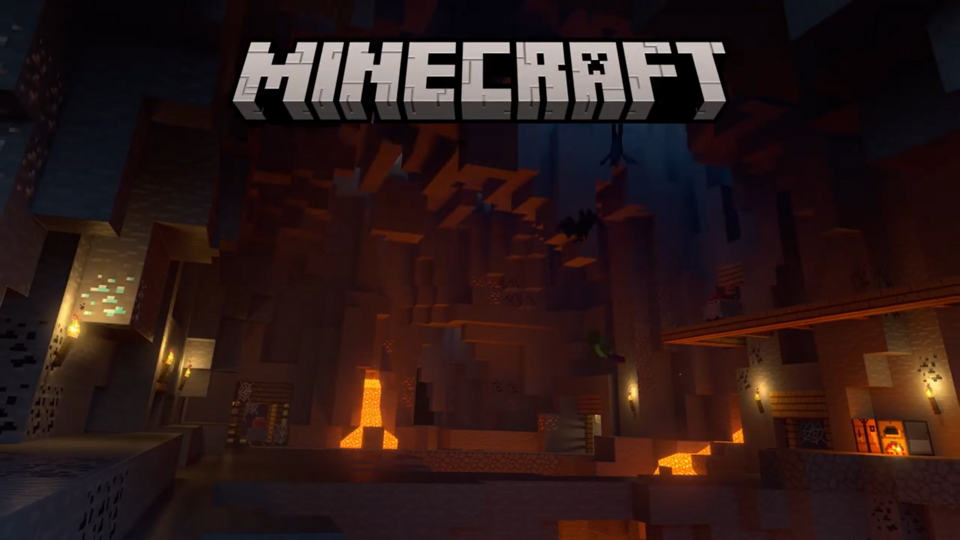
We’ve all been there: boot up Minecraft, hit Create New World, land in a forest half a desert away from an ocean. You Respawn and try again; this time, though, you end up being waist-deep in a jungle, with parrots screaming overhead and a half-buried temple nearby, just daring you to go inside.
Eventually—oh, after about a dozen or so restarts—the truth becomes impossible to ignore: Minecraft is a completely different beast to almost every other video game on the market. Why? Because it doesn’t simply recycle gaming experiences; it invents new worlds each and every time.
Almost 15 years after its release—and after a decade of updates, spin-offs, and sold-out merchandise empires—Minecraft remains unmatched at one simple but oh so effective thing: making every playthrough feel completely unique.
The secret weapon behind it all? Procedural Generation….
What Is Procedural Generation?
What’s this procedural generation stuff all about, then? Well, it’s basically just a fancy way of saying the game develops the worlds as you play, rather than the programmers designing it all in advance.
In your average video game, it’s up to human developers—with the aid of a few nifty tools here and there—to build the world that the players will interact with, including every object and lifeform they will encounter. Minecraft? It’s more like a living organism, creating the landscape as you explore…
Randomness: The Must-Have Ingredient in Procedural Generation
What do Minecraft and online casino staples like roulette and slots have in common? Don’t laugh; they share a lot more DNA than you might expect!
You see, at the center of both Minecraft and these online casino games sits a silent foundation: randomness. And it’s not just any old randomness, either, but an intentional element controlled by something called an RNG (or random number generator). So Minecraft operates like a slots game, then?
Err… not quite! In a slot game like Vegas Space Heist, this algorithmic wonder ensures fairness and unpredictability.
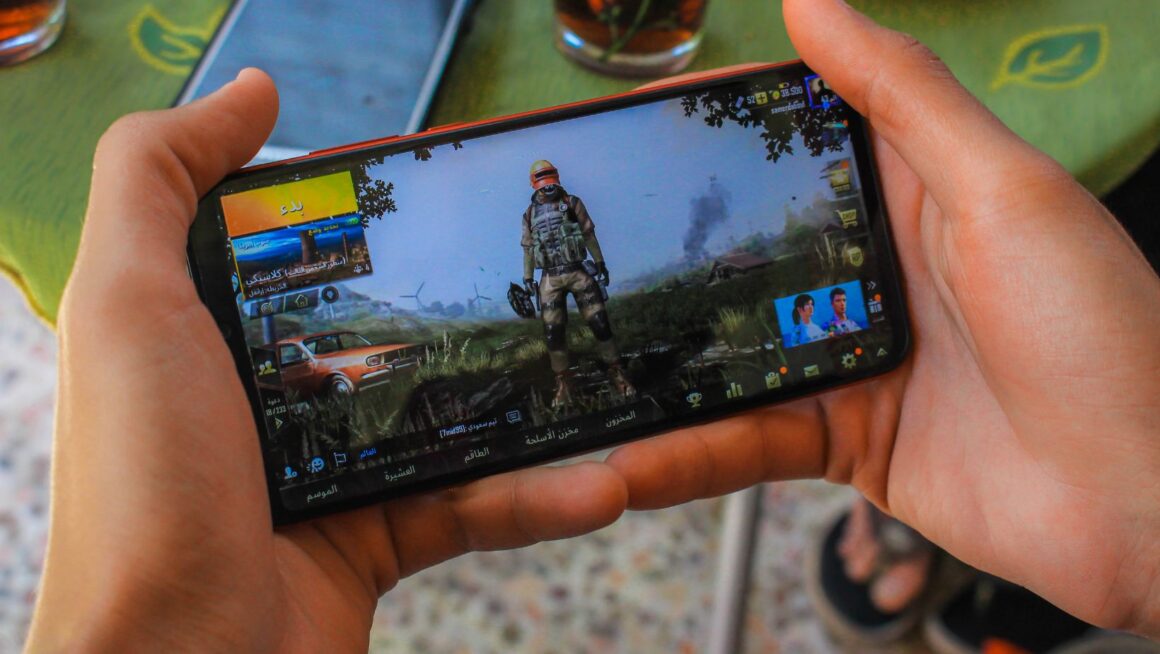
Every time the reels are spun (or cards are shuffled, or roulette wheels are set in motion), the RNG generates a statistically independent action that ensures the results are all pure probability. This is what makes these games so compelling and challenging in equal measure.
Now, Minecraft would probably implode if the engines at its heart let chance rule everything! When the game creates a new world, it relies on randomness to drive procedural generation, but it’s more of an ingredient than the final dish. All this numerical chaos gets fed into rule-based systems that sculpt the gaming environments you see, explore, and interact with.
For instance, think about how caves behave in the game. They’re not just fracturing the earth randomly. No, they’ll tunnel, curve, collapse, and even converge according to invisible (to you) logic.
So, while a roulette wheel doesn’t care what came before, Minecraft does. It layers rules, constraints, and logic over the randomness that’s generated, so the worlds you explore always feel organic, no matter how wacky the resulting combinations might be.
Understanding Seeds
Okay, now that we’ve got that covered, let’s dig a little deeper…
Each new respawn begins with a seed, although the term doesn’t exactly do it justice! Seeds in Minecraft are actually colossal numbers that act as the entire genetic code of the world that’s being generated. With just one digit change, entire continents disappear, villages vanish, and ecosystems shift like tectonic plates.
Think of a seed as a catalyst for prompting the game to draw a map, rather than containing the entire map. If you fed the exact same one into the same version of the game, the terrain would simply regenerate in the same way, over and over. Naturally, this would be increasingly dull! So, you can see the need to use a different seed each time.
Of course, we’re not just talking about what the game looks like. Have you noticed that certain regions are more geared toward civilization, while others are desolate landscapes? That’s not random chaos, either, but a starting condition defined by the seed long before you respawned.
The Invisible Rules You Never See
Remember we spoke about invisible logic above? Let’s explore that a bit further now.
The thing with Minecraft, even when played alongside comparable open worlds or sandbox games, is that it just doesn’t feel “designed.” It’s not like playing Fortnite, where you know exactly how the map looks and where you’re landing. Instead, playing Minecraft is a bit like being dropped on an alien planet and being told to “figure it out.”
Now, when we talk about invisible rules, we’re certainly not referring to ghosts in the machine or secret cheat codes buried in the files. Rather, it’s about the systems you don’t see, but feel every time you move.
Take biome generation. Despite the importance of randomness in procedural generation, your worlds aren’t randomly painted. No, they’re mapped using temperature gradients, moisture values, elevation thresholds, and more.
The same is true below ground: you won’t see mineshafts or cave tunnels springing up for the sake of it. Even mob spawning is guided by systems reacting to light, proximity, and all the other ways that your presence impacts the world.
The Bottom Line
And all of this is exactly why we still can’t get enough of Mojang’s seminal release, even after all these years. It keeps us guessing, each and every time, not because it’s infinite, but because it refuses to be repetitive.
More Stories
Cybersex for Introverts: The Sex Chaters Guide to Online Sex
FoxSlots Registration & Login – Crypto Payments and Bonuses | Fox Slots
Common Mistakes First-Time Sports Bettors Should Avoid