
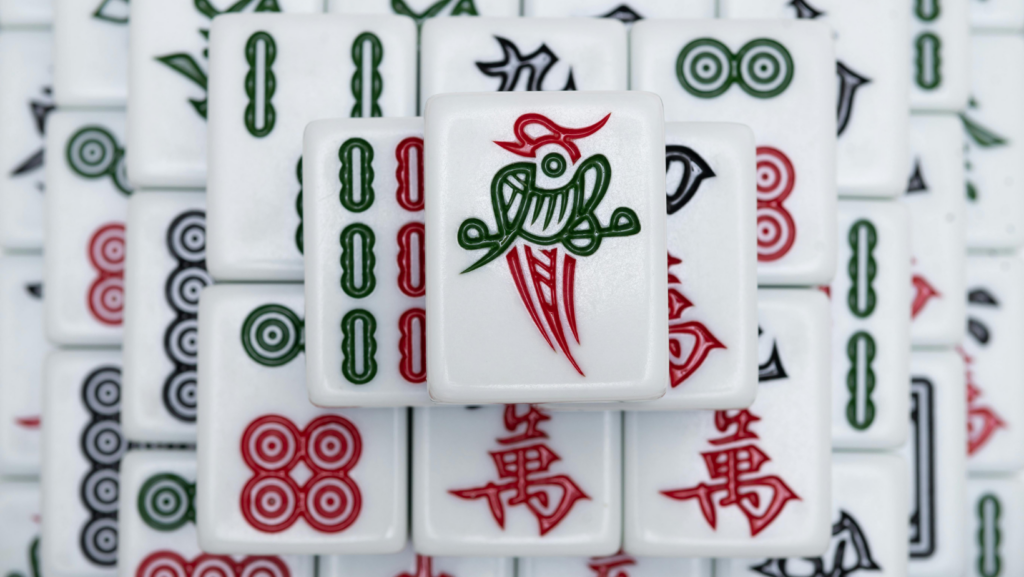
If you’re into parlor or casino-type gaming, you’ve probably heard of Mahjong. This four-player game has taken the world by storm and boasts countless variations. It’s a game that perfectly marries skill and chance, and is much-loved by players of all ages and backgrounds. But did you know Mahjong can also be utilized as an effective tool for teaching and learning Math skills? Let’s delve into some of the ways this amazing game can do so!
What is Mahjong?
Mahjong is a four-player game that uses a set of 144 tiles. The game originated in China in the 1800s, at the end of the Qing dynasty. But by the early 1900s, it had grown to immense popularity in the West. The tiles are all decorated with a Chinese icon, each one resembling some Ancient Chinese concept, like currency or Confucian flowers.
The aim of the game is for one player to assemble a winning hand of fourteen tiles, consisting of four sets of three and a pair. Players take it in turns to obtain or discard tiles as the game progresses.
Where Can Mahjong be Played?
When it comes to choosing where to play Mahjong, there are many options. Of course, traditional, tangible Mahjong sets can be purchased and played in a casual setting amongst friends and family. This is perhaps the most conventional way to play Mahjong, and it helps strengthen the importance of community; something that has become synonymous with the game.
Alternatively, Mahjong is also well on its way to entering the casino scene. As such, you can easily play Mahjong for real money at a number of different casinos around the world. That being said, should traveling to a brick-and-mortar casino prove difficult, online casinos provide an alternative and much more accessible option.
However, the easiest way to play Mahjong is at Mahjong365 online. This website not only allows you to play games of Mahjong with opponents across the globe, but it can also teach you the necessary skills and tricks needed to become an expert at the game. If that wasn’t enough, Mahjong365 is also the perfect place to get involved with the Mahjong community and share your support for this wonderful game.
How Mahjong Can Teach Math Skills
Mahjong is a game that can be played and enjoyed by all ages. As such, it can be a great way for every member of the family to learn or improve their math skills. Let’s explore some of the specific skills that can be developed and applied to math:
Pattern Recognition
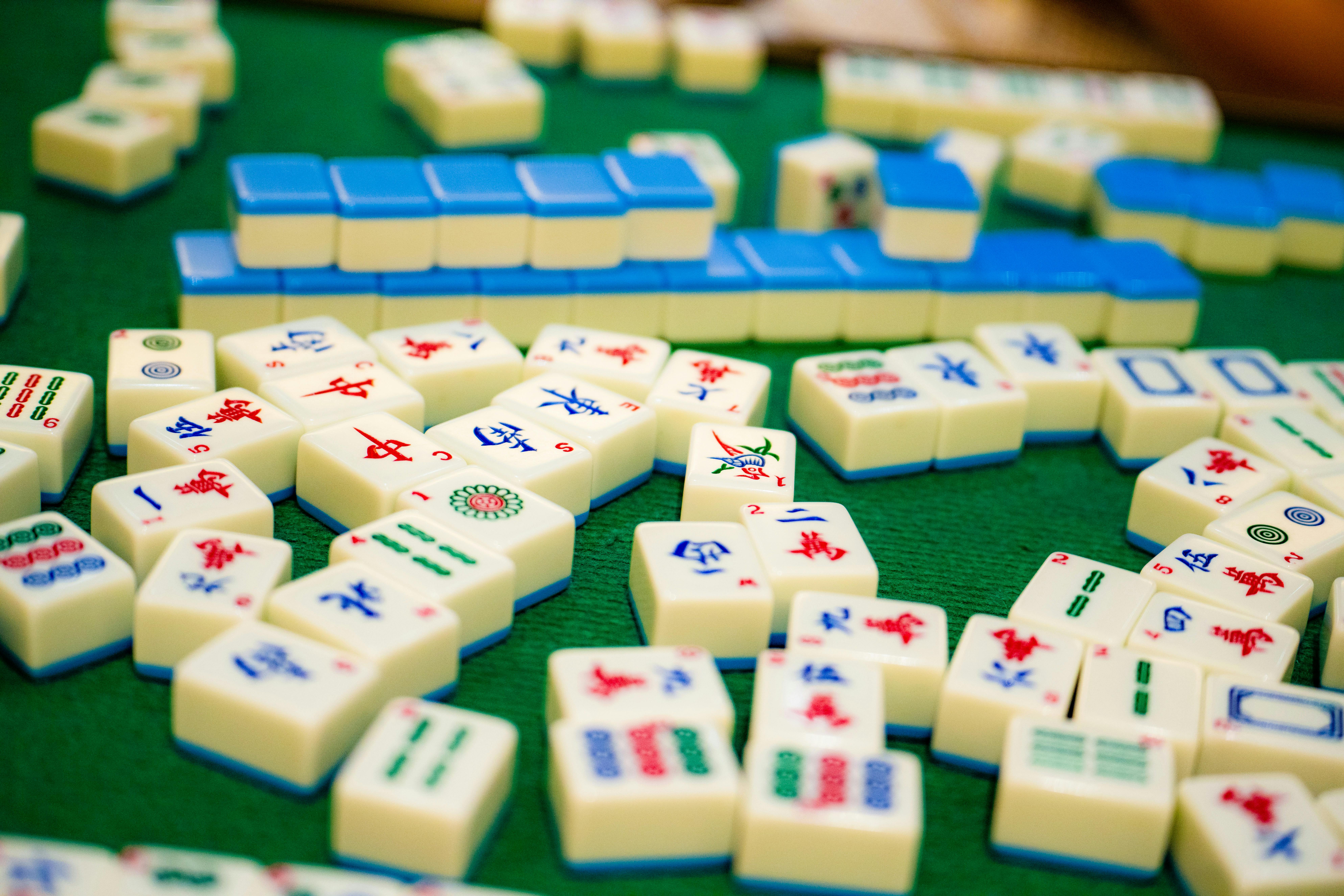
Pattern recognition is a big part of becoming a good Mahjong player. Successful players won’t just leave their Mahjong game to chance, but engage in pattern recognition so as to improve their chances of success. This recognition leads to them being able to recognise patterns in the tiles and their combinations to build winning hands.
This skill can then be used in Math when attempting to identify patterns and structures in specific math problems. Alternatively, at lower levels, pattern recognition can help math beginners learn certain patterns present in the multiplication tables.
Memory and Cognitive Function
Playing Mahjong, like most board games, requires active engagement of the brain. The areas that are used are responsible for memory and recall, as well as concentration and focus. Studies have shown that the more these areas of the brain are used, the stronger and more reliable they become. As such, playing Mahjong regularly is a form of brain training.
And what, exactly, could Mahjong be training our brains for? You guessed it, math. Memory and focus are two incredibly important skills to have when approaching mathematics. A good memory can lead to the retention of various math concepts, which can reduce the time it takes to solve a math problem. Additionally, tackling math problems, some of which can be long and complex with multiple components, requires a deep level of concentration and focus.
Counting
As stated, Mahjong is a game that can be enjoyed by the whole family. Although high-level Mahjong can provide expert mathematicians an edge when it comes to returning to math, Mahjong is most effective when it comes to teaching those with a relatively low-level mathematical ability. The purpose of Mahjong is to build a fourteen-tile hand, while regularly discarding and obtaining tiles. Additionally, because of the many different variations that exist for Mahjong, it is easy to find a more complex scoring system which will further challenge the mathematical ability of players.
There is a surprising amount of skill required in this. Being able to hold numbers in our heads, count quickly, and constantly refresh our counting, while being distracted by everything else happening in the game, can be a great way to strengthen this skill in those who might struggle with it. In fact, this is so prevalent that there have been some mahjong sets created with teaching math in mind.
Final Thoughts
As we’ve explored, playing Mahjong can do so much more than create a space for social, recreational activity or be played for stakes. The fundamentals of Mahjong, and the rapid-fire turn-based nature of the game, can help improve the mathematical skills of every player, no matter how beginner or advanced they are in their math learning journey.
Math is a complicated subject, perhaps the most complicated subject in the world. But it seeks to define and explain everything and is well worth knowing to some degree. Mahjong makes math learning fun and significantly less daunting than old textbooks and long formulas.
More Stories
Gamers, Don’t Sleep on the UAE
Why 2026 is the Year of Recurring Casino Rewards
Why Instant Registration Casinos Lead the Market