
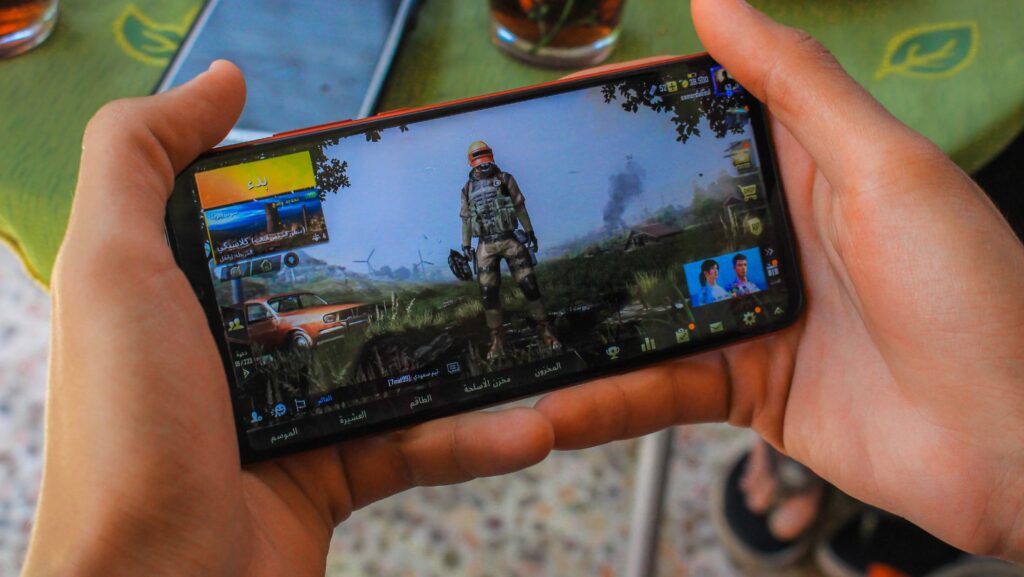
In the vibrant world of online gaming in 2025, titles like Fortnite, League of Legends, and Rust command massive player bases, but burnout remains a significant challenge for both casual players and esports professionals. Burnout, characterized by emotional, physical, and mental exhaustion from excessive gaming, can transform a fun escape into a source of stress, frustration, and disinterest. Symptoms include fatigue, irritability, loss of passion, and physical issues like eye strain or disrupted sleep patterns. This article delves into why players burn out in online games, with examples from popular titles including Rust, highlights the additional issue of cheating, and offers actionable strategies to prevent burnout, ensuring gaming remains a rewarding experience.
Understanding the Causes of Burnout in Online Games
Burnout stems from a combination of intense gameplay, repetitive mechanics, social pressures, and external factors like cheating, all of which can erode enjoyment over time. Below are the key contributors, illustrated with examples from leading games.
Excessive Playtime and Grinding Mechanics
Extended play sessions, often driven by grind-heavy mechanics, are a major cause of burnout. Games requiring repetitive tasks to progress, such as farming resources or completing quests, can feel like a job. In World of Warcraft, players grind raids for rare gear, spending hours on repetitive content with little reward variation. In Rust, a survival simulator, players dedicate long sessions to gathering wood, stone, and metal to craft tools and fortify bases, especially during server wipes. The pressure to stay online to protect bases from raids can lead to sleep deprivation and burnout, as progress feels Sisyphean.
Competitive Pressure and Toxicity
The competitive nature of online games fuels stress and anxiety, particularly in ranked modes or esports. In League of Legends, the push to climb ranks often results in toxic behavior, such as flaming teammates, which compounds emotional exhaustion.
Rust’s unforgiving PVP environment amplifies this, with players facing betrayals, base raids, and verbal harassment, creating a hostile atmosphere. One Rust player reported health issues and burnout after persistent toxic encounters and bans, highlighting the emotional toll. In esports titles like Valorant or Counter-Strike 2, rigorous training schedules and performance expectations push pros toward early burnout.
Repetitive Content and Lack of Novelty
Repetition in gameplay loops can erode engagement when updates fail to introduce meaningful variety. Fortnite’s cycle of building, fighting, and looting, while dynamic, becomes monotonous after hundreds of matches, especially when meta shifts demand constant adaptation. Apex Legends players report burnout from repetitive hero selections and maps, with limited new content to break the cycle. In Rust, the loop of building, raiding, and restarting after wipes grows tiring, particularly when core issues like server lag persist despite updates.
Imbalance with Real-Life Responsibilities
When gaming overshadows work, relationships, or health, burnout becomes inevitable. MMOs like Final Fantasy XIV incentivize daily logins for rewards, blurring the line between leisure and obligation. Rust’s persistent world pressures players to stay online to prevent offline raids, disrupting sleep and exercise routines. This imbalance is heightened in 2025’s always-connected gaming culture, where notifications and social features keep players tethered to virtual worlds.
Cheating and Unfair Play
A significant but often overlooked factor in burnout is the prevalence of cheating, which undermines fair play and frustrates honest players. In Rust, cheaters using rust cheats – aimbots, wallhacks, or scripts to bypass survival mechanics can dominate servers, wiping out hours of progress for others through unfair raids or combat. This is particularly demoralizing in Rust’s high-stakes environment, where losing a base to a hacker feels like a betrayal of effort. Similarly, in Counter-Strike 2 and Valorant, cheaters disrupt competitive matches, ruining rank progression and causing players to question the integrity of the game. Reports indicate that cheating spikes in free-to-play titles like Rust, where bans are less impactful due to low account costs, leading to repeated encounters with hackers that drive players away. The constant need to report or avoid cheaters adds a layer of stress, contributing to burnout as players feel their time investment is devalued.
Strategies to Prevent and Overcome Burnout
Burnout is avoidable with proactive steps that prioritize balance, variety, and mental health. These strategies help players enjoy games like Rust while mitigating the risk of exhaustion.
Set Boundaries and Take Regular Breaks
Limiting playtime prevents physical and mental fatigue. Use session timers or apps like Freedom to cap gaming at 1-2 hours per session. In competitive games like League of Legends, take breaks after losing streaks to reset mentally. For Rust players, choosing modded servers with shorter wipe cycles or relaxed rules reduces grind and pressure to stay online. Periodic “detox” breaks, like a week away from gaming, can refresh enthusiasm.
Diversify Your Gaming Experience
Switching genres or games combats monotony. If Rust’s intense survival feels draining, try relaxing titles like Stardew Valley or narrative-driven single-player games. Rotating between multiplayer games, like moving from Fortnite’s chaos to Helldivers 2’s cooperative fun, keeps experiences fresh. Streamers avoid burnout by mixing competitive and casual titles weekly. In esports, alternating Valorant practice with casual modes maintains skill without overload.
Prioritize Physical and Mental Health
Maintaining health is crucial: aim for 7-8 hours of sleep, eat nutritious meals, and exercise regularly to boost resilience. For Rust players stressed by raids or cheaters, mindfulness apps or journaling can process emotions. In toxic lobbies like those in Counter-Strike 2, muting chat or playing with friends fosters positive vibes. Non-gaming hobbies, such as reading or outdoor activities, help maintain balance.
Build Positive Community Connections
Positive social interactions can counteract burnout. Join supportive communities, like non-toxic Rust servers focused on roleplay or PVE, or World of Warcraft guilds with casual vibes.  In Fortnite, custom creative modes with friends prioritize fun over competition. Setting achievable goals, like enjoying League of Legends matches rather than fixating on ranks, reduces pressure. To combat cheating, report suspicious players promptly and stick to servers with active moderators or robust anti-cheat systems.
Recognize Signs and Know When to Quit Temporarily
More Stories
Cybersex for Introverts: The Sex Chaters Guide to Online Sex
Gamers, Don’t Sleep on the UAE
Why 2026 is the Year of Recurring Casino Rewards