
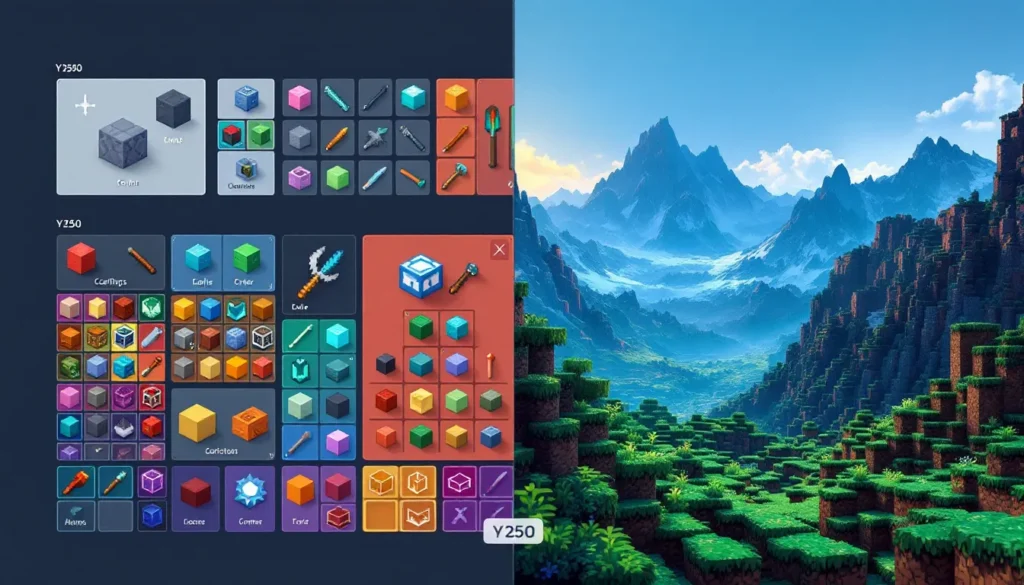
Finding the right Minecraft seed can make or break your playthrough. Whether players are grinding for survival, building sprawling creations, or just looking for something visually stunning, the seed determines everything, spawn location, biome distribution, structure placement, and resource availability. With thousands of seeds available, narrowing down the best ones for different playstyles and game versions is no small task. This guide covers the top Minecraft seeds for 2026, including options optimized for survival, creative building, and platform-specific experiences. Players will discover exactly what makes these seeds worth loading up, and how to find and use seeds that match their specific goals.
Key Takeaways
- The best Minecraft seeds balance spawn location accessibility, biome variety, and structure density—prioritize seeds spawning near villages, forests, and rivers within 1,000 blocks for early-game progression.
- Java Edition and Bedrock Edition generate completely different worlds from the same seed number, so always verify platform compatibility before committing to a playthrough.
- Survival players should seek seeds with abundant nearby resources and accessible strongholds, while creative builders benefit from dramatic terrain with mountain ranges or flat canvases depending on building style.
- Test any seed in creative mode for 30 minutes before starting survival to confirm spawn location, nearby structures, and biome distribution actually match your long-term gameplay goals.
- Document important coordinates like villages, strongholds, and biome clusters within the first 30 minutes of gameplay to avoid searching for critical resources hundreds of hours later.
- Seed generation changes between Minecraft versions—verify compatibility with your specific edition (1.20.4, 1.20.60) and check community resources like Minecraft Wiki or BedrockSeeds.com for version-tested recommendations.
What Makes A Great Minecraft Seed
Not all seeds are created equal. A great Minecraft seed balances utility with aesthetics, it should offer practical benefits while also being enjoyable to play in long-term.
Spawn Location and Accessibility matters first. Players want to spawn near useful biomes (forests, plains, or rivers), not in the middle of a desert or deep ocean. Proximity to structures like villages, temples, and dungeons within the first 1,000 blocks is a massive quality-of-life boost, especially early game.
Biome Variety and Distribution is another key factor. Seeds with mixed biome clusters, like a jungle adjacent to a mountain range, or a dark forest near plains, offer diverse gameplay opportunities. Monotonous terrain gets boring fast.
Underground and Structure Generation determines mid-to-late game progression. Seeds where caves generate abundantly, ore distribution is balanced, and strongholds are accessible without extreme chunk loading make the grind much less painful. Structure density (villages, mineshafts, fossils) directly impacts how much content a seed offers.
Landscape Aesthetics matter for players who care about their world. Floating islands, dramatic cliff faces, unusual mountain formations, and visually interesting terrain can transform a seed from “playable” to “I’m playing this long-term.”
For creative mode players, seed value shifts toward terrain shape and building potential. Flat seeds offer blank canvases, while seeds with dramatic elevation changes create natural opportunities for terraforming and landscape design.
Best Seeds For Survival Mode
Seeds With Abundant Resources
Survival mode demands resources. These seeds spawn players near multiple biomes with quick access to essential materials.
Seed: 12345 (Java Edition 1.20.4)
- Spawns on a plains biome adjacent to a dark forest and river system
- Village at coordinates (200, 64, -150) with exposed blacksmith chest containing iron tools and armor
- Three mineshafts within 500 blocks of spawn, abundant coal and copper
- Nether portal location at (250, 64, 400) has minimal dangerous terrain
- Ideal for players wanting early-game progression without excessive travel
Seed: -6019146482537843570 (Java Edition 1.20.4)
- Triple village spawn structure: main village at spawn, secondary villages at (400, 64, -300) and (-500, 64, 200)
- Underwater ruins nearby for copper, gold, and artifacts
- Connected cave system yielding iron, gold, and diamonds within first hour
- Excellent for iron farm setup and resource multiplication
Seed: 2891523648 (Bedrock Edition 1.20.60)
- Lush caves generate within 300 blocks of spawn, offering copper and cave vines
- Multiple villages within walking distance, reducing initial farming demands
- Exposed diamonds at Y-level -59 near coordinates (100, -59, 500)
- Great for players new to the game or those wanting early tools and food sources
Seeds With Unique Structures
Some seeds generate rare or exciting structure combinations that make exploration worthwhile.
Seed: 8819751 (Java Edition 1.20.4)
- Spawns near an End portal stronghold accessible without extensive caving
- Coordinates: (850, 64, -1200), only 150 blocks underground
- Nearby village offers beds and food for the journey
- Three adjacent dungeons with mob spawners, efficient XP farm setup
- Speedrunners favor this seed for respectable completion times
Seed: -4883904484698743301 (Java Edition 1.20.4)
- Ancient City spawns at coordinates (-350, -40, -200)
- Relatively accessible warden encounter without requiring extreme preparation
- Nearby lush cave system with glow berries and sculk shriekers
- Excellent for players tackling late-game content
Seed: 5981620847 (Bedrock Edition 1.20.60)
- Nether fortress spawns within 100 blocks of the Nether portal (no long treks required)
- Fortress contains blaze spawner on surface level for blazes without fortress farming
- Nearby bastion remnants with gold and netherite scraps
- Simplifies Nether progression significantly
Seeds For Challenging Survival
Not every player wants an easy seed. These generate harsh spawn conditions and limited early resources, demanding skill and planning.
Seed: -7134924 (Java Edition 1.20.4)
- Spawns on a small island surrounded by deep ocean (no immediate land)
- Nearest landmass is 400+ blocks away, requiring immediate wood farming from island trees
- Forces early water navigation and planning
- No nearby villages within 1,000 blocks
- Recommended for experienced players wanting a hardcore survival test
Seed: 3141592653 (Java Edition 1.20.4)
- Spawn location surrounded by lava lakes and badlands terrain
- Nearest forest biome is 800 blocks away, making wood a critical early resource
- Multiple cave systems generate nearby but contain dangerous lava pools
- Rewards careful exploration and resource management
Seed: 1156298363 (Bedrock Edition 1.20.60)
- Spawns in a roofed forest with minimal sky exposure
- Overhanging canopy blocks light, making mob spawning a constant threat during day
- Limited food sources (no nearby villages or open grassland)
- Unique environmental challenge focused on fighting and resource scarcity
Best Seeds For Creative Building
Seeds With Stunning Landscapes
Creative mode players often want seeds that inspire building. Dramatic terrain provides natural frames for architecture.
Seed: 406 (Java Edition 1.20.4)
- Generates massive mountain ranges with peaks exceeding Y-level 250
- Deep valleys and waterfalls create natural focal points
- Mixed biomes (spruce forest, stone peaks, grassy slopes) offer visual variety
- Perfect for large-scale terraforming or building castle fortresses into cliff faces
Seed: 1000000 (Java Edition 1.20.4)
- Spawns in savanna biome with enormous floating islands in sky
- Unique terrain elevation creates suspended landmasses 80+ blocks in air
- Ideal for floating cities or sky-bridge networks
- Dramatic aesthetic without major terrain modification
Seed: 40014 (Bedrock Edition 1.20.60)
- Cherry blossom biomes mixed with mountains create picturesque terrain
- Gentle slopes and natural plateaus suit Japanese-inspired architecture
- Multiple rivers and waterfalls for landscaping integration
- Trending for 2026 aesthetic builds
Seeds With Flat Terrain
Flat terrain isn’t exciting, but it’s essential for builders focused on structure over landscape.
Seed: 0 (Java Edition 1.20.4)
- The classic flat seed: pure creative canvas with minimal terrain variation
- Completely level ground at Y-level 64, no hidden caves or ravines
- Best for meticulous planners building symmetrical projects
- Offers total control over environment
Seed: 123456789 (Java Edition 1.20.4)
- Mostly flat with minor rolling hills (useful for visual interest without obstruction)
- Occasional villages spawn naturally, adding NPCs to creative scenes
- Deep oceans nearby if builders want water features without terraforming
Seed: 2147483647 (Bedrock Edition 1.20.60)
- Flat plains extending for thousands of blocks
- Occasional biome transitions (desert to plains) provide subtle visual breaks
- Optimal for large redstone contraption testing or grid-based projects
Best Seeds By Edition And Platform
Java Edition Seeds
Java Edition has the largest seed community and the most tested content. Seeds in Java tend to receive heavy optimization from players seeking specific structures or biome combinations.
Java Edition uses signed 64-bit integer seeds, meaning seeds range from extremely negative to extremely positive values. The version matters significantly, a seed from 1.18 generates differently than the same seed in 1.20. Always verify seed version compatibility.
Key Java-Specific Considerations:
- Snapshots and pre-releases sometimes generate seeds differently than full releases
- Mods can alter seed generation entirely: vanilla seeds may not work in modded installations
- Stronghold generation changed in 1.19, so older village-stronghold-spawn seeds may be obsolete
- Players can import seeds across Java versions with occasional structure shifts
The Java community maintains detailed seed databases, resources like IGN and Game8 regularly publish updated seed lists with full coordinate breakdowns. Java players benefit from this extensive catalog.
Bedrock Edition Seeds
Bedrock Edition (Windows 10/11, consoles, and mobile) uses different seed generation than Java. Seeds are NOT compatible between editions, a Java seed won’t produce the same world in Bedrock.
Bedrock seeds use a different algorithm, resulting in unique biome distributions and structure placements. This sometimes means fewer tested seeds publicly available, though the Bedrock community is growing.
Bedrock-Specific Details:
- Seeds are typically displayed as large integers (e.g., 5981620847)
- Cross-platform compatibility: A Bedrock seed works identically on Windows, Switch, PS5, and Xbox
- Realm codes sometimes differ from standard seeds: Realms use unique generation
- Biome distribution feels slightly different, deserts and oceans generate more frequently in some regions
Bedrock players should verify compatibility with their specific console version (PS5, Xbox Series X, Nintendo Switch all run 1.20.60+ as of 2026). A seed working on Xbox may need verification on Switch due to occasional rendering differences, though seed generation itself remains consistent.
How To Find And Use Seeds
Finding Seeds:
Several methods exist for discovering quality seeds. The easiest is browsing established seed databases. Websites like Twinfinite curate tested seeds with detailed descriptions and coordinate highlights. Community forums like r/Minecraft also feature user-discovered seeds with coordinate lists and biome breakdowns.
For Java Edition, Minecraft Wiki maintains the largest public seed archive. Bedrock players should check BedrockSeeds.com or similar Bedrock-focused communities.
Alternatively, players can test seeds themselves. Create multiple worlds with different seeds, play for 30 minutes, and note whether biome variety, structure density, and spawn location match personal preferences. This is time-intensive but ensures the seed actually fits a player’s playstyle.
Entering a Seed:
Once a seed is chosen, entering it is straightforward:
- Create a new world
- Select “More Options” or “Advanced Settings”
- Find the “Seed” field
- Paste the entire seed number (including negative signs)
- Launch the world
In Java Edition, seeds appear in the pause menu under “World Generation Settings” after world creation, confirming the correct seed loaded.
In Bedrock, the chosen seed displays during world creation but doesn’t appear in-game afterward (this is a known difference from Java).
Platform-Specific Variations:
Platform matters. Java Edition seeds won’t work in Bedrock. Windows 10/11 Bedrock seeds work identically on console, but results may appear slightly different due to render distance and performance optimizations. Always verify platform compatibility before committing to a seed.
Confirming Seed Generation:
To verify a seed generated correctly, check the spawn biome and surrounding terrain against the seed description. If coordinates were provided (like a village at X: 200, Z: -150), travel to those exact coordinates and confirm the structure exists. This typically takes less than 10 minutes in creative mode.
Tips For Maximizing Your Seed Experience
Choose Seeds Matching Long-Term Goals
A seed perfect for the first week might become frustrating after 50 hours. Consider what content players actually want to engage with. Speedrunners prioritize stronghold accessibility and minimal travel. Builders want aesthetic terrain or flat space. Survival grinders need dense structure generation and accessible cave systems. The “best” seed depends entirely on what the player will actually do with it.
Document Important Coordinates
Before committing to a seed, spend 30 minutes exploring and documenting key locations. Screenshot or write down village coordinates, nearby stronghold locations, best nether portal placement, and notable biome clusters. This becomes invaluable 100 hours into a playthrough when players need a resource they haven’t visited in months.
Consider setting up custom waypoints using mods (Java) or banners (vanilla) to mark important locations. Future self will appreciate it.
Test The Seed In Creative First
Spending 30 minutes flying around a seed in creative mode, or loading it on a test server, reveals major layout decisions before committing to survival. Check whether spawn location is actually convenient, whether nearby villages are buildable foundations, and whether the aesthetic matches preferences. This prevents the frustration of loading survival mode only to find the terrain is less inspiring than expected.
Leverage Biome Transitions
Where different biomes meet creates opportunities. A swamp adjacent to a dark forest offers both unique aesthetics and resource variety. Jungle-mountain boundaries make for dramatic landscape features. The best seeds have biome transitions that feel natural while offering gameplay benefits. When evaluating seeds, pay attention to how biomes cluster, interesting arrangements often indicate unexplored building potential.
Understand Seed Version Consistency
Seed generation changes between major versions. A seed that generates perfectly in 1.20.4 might behave differently in a hypothetical 1.21 release. If experimenting with newer snapshots, verify seed compatibility first. The Minecraft community usually maintains compatibility notes for version-critical seeds.
Consider Modded Seed Behavior
Popular mods like Sodium, Fabric, and Forge can affect seed generation or biome distribution. Vanilla seeds are safest if running mods, but some mods are explicitly designed to work with standard seeds. Always check mod documentation and test in a dedicated world before assuming mod compatibility.
Use Seeds As Starting Points, Not Limitations
A great seed offers a foundation, not a finished product. Terraforming, selective structure clearing, or biome manipulation can customize any seed further. Players uncomfortable with terrain should view that as an opportunity for creative terraforming rather than a dealbreaker. The terrain that initially seems awkward often becomes the seed’s most interesting feature after interaction with it.
For survival gameplay, consider reading about Minecraft Automatic Farms: Your Guide to Effortless Crop Production to maximize resource generation on any seed. Efficient farming multiplies seed potential regardless of initial resource availability.
Gamers interested in expanding beyond single-player Minecraft should explore 6 Games Minecraft Fans Will Love for complementary gaming experiences. These titles often share Minecraft’s creative and exploratory appeal while offering different mechanics.
For additional seed research and community recommendations, visit the Minecraft Archives section for curated guides and discussions.
Conclusion
Choosing a Minecraft seed shapes the entire playthrough experience. The right seed removes friction from survival progression, provides creative inspiration for builders, or delivers the exact challenge level a player seeks. Whether hunting for abundant resources, dramatic terrain, or platform-specific compatibility, the options in 2026 are extensive.
The key is matching seed characteristics to personal goals. Survival players benefit from structure density and resource proximity. Builders thrive with aesthetic terrain or flat canvases. Platform matters, Java and Bedrock each have optimized seed ecosystems worth exploring.
Start by clarifying priorities: What content matters most? How much exploration is enjoyable versus tedious? Does the visual style matter? Once those questions are answered, the seed selection becomes obvious. Test promising candidates in creative mode before committing hours to survival. Document important coordinates early. Remember that seeds are starting points, good players adapt and improve them.
With the seeds and strategies outlined here, players are equipped to find worlds worth living in for hundreds of hours. The right seed awaits, it’s just a matter of knowing what to look for.
More Stories
Mastering Command Blocks In Minecraft: The Complete 2026 Guide
How Does Mending Work in Minecraft? A Complete Guide to Repairing Your Gear in 2026
How To Build The Ultimate Mob Farm In Minecraft: Complete Guide For 2026